 Back to blog
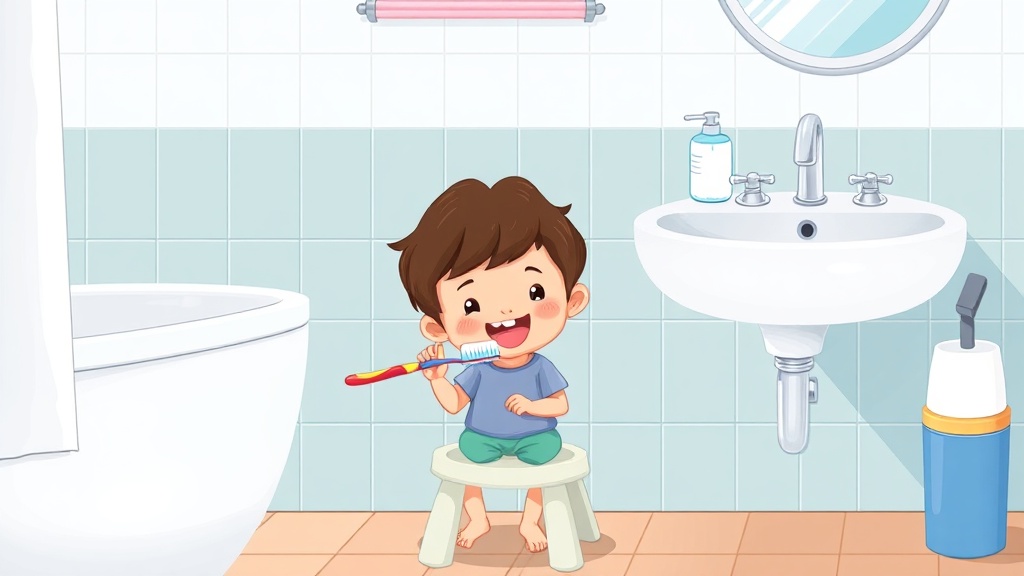
How to Get Kids to Brush Their Teeth (Without a Nightly Battle)
Twice a day. Every day. For the rest of their lives.
Teeth brushing is one of the most important habits you'll teach your child—and one of the most fought-over. Whether you're wrestling a toddler or nagging a preteen, the struggle is real.
But it doesn't have to be a battle. Here's how to make teeth brushing happen—at every age.
Why Teeth Brushing Is Non-Negotiable
Unlike some chores where you can be flexible, teeth brushing isn't optional:
- Cavities hurt (and are expensive to fix)
- Baby teeth matter (they hold space for adult teeth)
- Habits form young (set them up for life)
- Dental health affects overall health
This is one area where you hold the line, every single day.
Age-by-Age Guide to Teeth Brushing
Babies (0-12 months)
What to do:
- Wipe gums with soft cloth after feeding
- When teeth appear, use infant toothbrush
- Tiny smear of fluoride toothpaste (rice-grain size)
Who does it: Parent, 100%
Challenges: Wiggly baby, doesn't understand
Tips:
- Make it part of bedtime routine
- Sing or talk while brushing
- Be quick and gentle
Toddlers (1-3 years)
What to do:
- Brush twice daily with fluoride toothpaste
- Rice-grain to pea-sized amount
- Parent does the actual brushing
- 2 minutes is the goal (but be realistic)
Who does it: Parent does the effective brushing. Toddler can "help" or "practice."
Challenges: Refusal, meltdowns, won't open mouth, wants to do it themselves
Tips:
- Let them hold a toothbrush while you use another one
- Try different positions (laying down, sitting on counter)
- Use distraction (song, video, toy)
- Be fast and firm—it will be over soon
- Don't negotiate—this is a safety issue
The Reality: Some toddlers hate teeth brushing. Do it anyway. Quick and done is better than perfect.
Preschoolers (3-5 years)
What to do:
- Brush twice daily, 2 minutes
- Pea-sized toothpaste
- Child practices, parent finishes
Who does it: Child can brush first, but parent must follow up to actually clean teeth.
Challenges: "I want to do it myself!" (but they can't do it well yet)
Solution: The Two-Step Method:
- Child brushes first (1-2 minutes of "practice")
- Parent follows up ("Now let me check and get the tricky spots")
This gives them autonomy while ensuring teeth actually get clean.
When they can do it alone: Not yet. Motor skills and attention aren't there.
Early Elementary (6-8 years)
What to do:
- Brush twice daily, 2 minutes
- Pea-sized toothpaste
- Child does more, parent supervises/checks
Who does it: Child does most of it. Parent spot-checks and helps with back teeth.
Transition Plan:
- Age 6: Child brushes, parent inspects and fixes spots
- Age 7: Child brushes, parent inspects occasionally
- Age 8: Child mostly independent, occasional spot-checks
Tips:
- Use a timer (2 minutes is longer than they think)
- Consider electric toothbrush (does some work for them)
- Check for missed spots (usually back teeth, tongue-side)
- Praise improvement
Common Issues:
- Rushing (use a timer or brushing app)
- Skipping spots (show them in a mirror)
- "Forgetting" (make it part of non-negotiable routine)
Tweens (9-12 years)
What to do:
- Fully independent brushing
- Twice daily, 2 minutes
- Begin flossing
Who does it: Child is fully responsible. Parent occasional reminder.
Challenges: Rushing, skipping, "forgetting"
Tips:
- Random spot-checks (smell their breath, look at teeth)
- Connect to things they care about (bad breath = social issue)
- Dental visits reinforce importance (they listen to dentist)
- Electric toothbrush with timer helps
When to intervene: If you notice plaque buildup, bad breath, or cavities, step back in with supervision.
Teens (13+)
What to do:
- Fully independent
- Twice daily, 2 minutes, plus flossing
Who does it: They're on their own.
Challenges: May slack off, especially when busy or stressed
Tips:
- Dental consequences become real (braces, cavities)
- Appearance matters to them (yellow teeth aren't cool)
- Stock bathroom with supplies they'll use
- Orthodontist visits reinforce if they have braces
When Can Kids Brush Their Teeth Alone?
| Age | Independence Level |
|---|---|
| 0-3 | Parent does it (child may "help") |
| 4-5 | Child practices, parent finishes |
| 6-7 | Child does most, parent checks |
| 8+ | Child independent, occasional spot-check |
| 10+ | Fully independent |
The real test: Can they write in cursive smoothly? The fine motor skills for good brushing are similar. Most kids aren't ready for unsupervised brushing until age 7-8 at the earliest.
Making Teeth Brushing Fun
For Toddlers and Preschoolers
Silly songs: Brush to a song. Brush each section for the chorus.
Brushing buddies: Stuffed animal "watches" or gets their teeth brushed too.
Fun toothbrushes: Character brushes, light-up brushes, spinny brushes.
Flavored toothpaste: Let them choose (kid-safe options).
Mirror games: Make faces while brushing.
Counting: "Let's count to 10 on the top teeth!"
Story time: "The toothbrush is fighting the sugar bugs!"
For School-Age Kids
Timer apps: Brushing apps make 2 minutes fun with games/videos.
Electric toothbrush: Does some of the work, often has built-in timer.
Brushing chart: Stickers for AM and PM brushing.
Choremon: Teeth brushing as a daily task. Mon gets happy when it's checked off!
Music: Brush for one song.
For Tweens and Teens
Appeal to vanity: White teeth, fresh breath
Quality products: Let them pick their own toothpaste/brush
Electric toothbrush with pressure sensor: Tech appeal
Whitening products: If appropriate (check with dentist)
Common Teeth Brushing Problems
Toddler Clamps Mouth Shut
What works:
- Try a different time (not when overtired)
- Different position (laying in your lap)
- Let them hold something interesting
- Be quick and get it done anyway
- Stay calm—your stress makes it worse
What doesn't work:
- Forcing their mouth open (traumatic)
- Giving up (they learn refusal works)
- Yelling (creates negative association)
Child Brushes for 10 Seconds and Calls It Done
What works:
- Timer (phone, sand timer, electric brush timer)
- Brushing app with game
- Two-minute song
- Divide mouth into sections (30 seconds each)
"I Forgot" Every Night
What works:
- Make it part of unchangeable routine
- Happens before the thing they want (story, screen time)
- Visual checklist in bathroom
- Choremon reminder
- Leave toothbrush on their pillow (visual reminder)
Gagging or Discomfort
What to try:
- Different toothpaste (milder flavor)
- Smaller brush head
- Different brushing technique
- Check if the brush is too big
- Consult dentist if persistent
Sensory Issues
Some children have genuine sensory sensitivities around teeth brushing.
What helps:
- Different brush textures (softer, different bristles)
- Unflavored toothpaste
- Warm water on brush
- Let them control the brush
- Gradual desensitization
- Occupational therapy if severe
The Teeth Brushing Routine
Make it automatic by keeping it identical:
Morning
- Wake up
- Use bathroom
- Brush teeth
- Get dressed
- Breakfast
Evening
- Bath/shower
- Put on pajamas
- Brush teeth
- Story/quiet time
- Bed
Same time. Same order. Every day.
Choosing the Right Tools
Toothbrush
Manual: Good for parent control with young kids Electric: Great for older kids, does some work for them, often has timer
Replace: Every 3 months or when bristles fray
Toothpaste
Under 3: Smear (rice-grain size) of fluoride toothpaste 3-6: Pea-sized amount 6+: Regular amount
Look for: ADA seal, fluoride, flavor they'll tolerate
Fun Additions
- Flossers (easier than string floss for kids)
- Disclosing tablets (show plaque—powerful visual!)
- Brushing apps
- Reward charts
Tracking Teeth Brushing with Choremon
Choremon includes teeth brushing as a core daily task. Kids check it off, their Mon responds positively, and parents can verify the habit is building.
Why it works:
- Morning and evening reminders
- Mon gets happy when brushing is done
- Streaks build the habit
- Parents see if it's happening
Frequently Asked Questions
When can kids brush their own teeth?
Children can "practice" brushing from age 2-3, but parents should finish the job until around age 7-8. Full independence (without spot-checks) is typically appropriate around age 10. The motor skills needed for effective brushing develop gradually.
How long should kids brush their teeth?
Two minutes is the standard recommendation—30 seconds per quadrant (upper right, upper left, lower right, lower left). Most kids need a timer to actually brush this long.
How do I get my toddler to let me brush their teeth?
Expect some resistance—it's normal. Try different positions, make it quick, use distraction, let them hold a brush while you use another, and stay calm. This is non-negotiable, so do it anyway even if they fuss. It gets easier with consistency.
Are electric toothbrushes better for kids?
Electric toothbrushes can help because they do some of the brushing motion automatically and often include timers. They're great for older kids (6+) who rush or have poor technique. Either type works if used properly.
What if my child has sensory issues with teeth brushing?
Try different brush textures, unflavored toothpaste, letting them control the brush, and gradual desensitization. For severe sensory issues, consult an occupational therapist or pediatric dentist who specializes in sensory-sensitive children.